1300 737 656

Call us now for your free site consultation. Specialising in Small, Medium and Large projects.

Blog

Infection Control By Design: How Clinic Layout Impacts Compliance & Safety

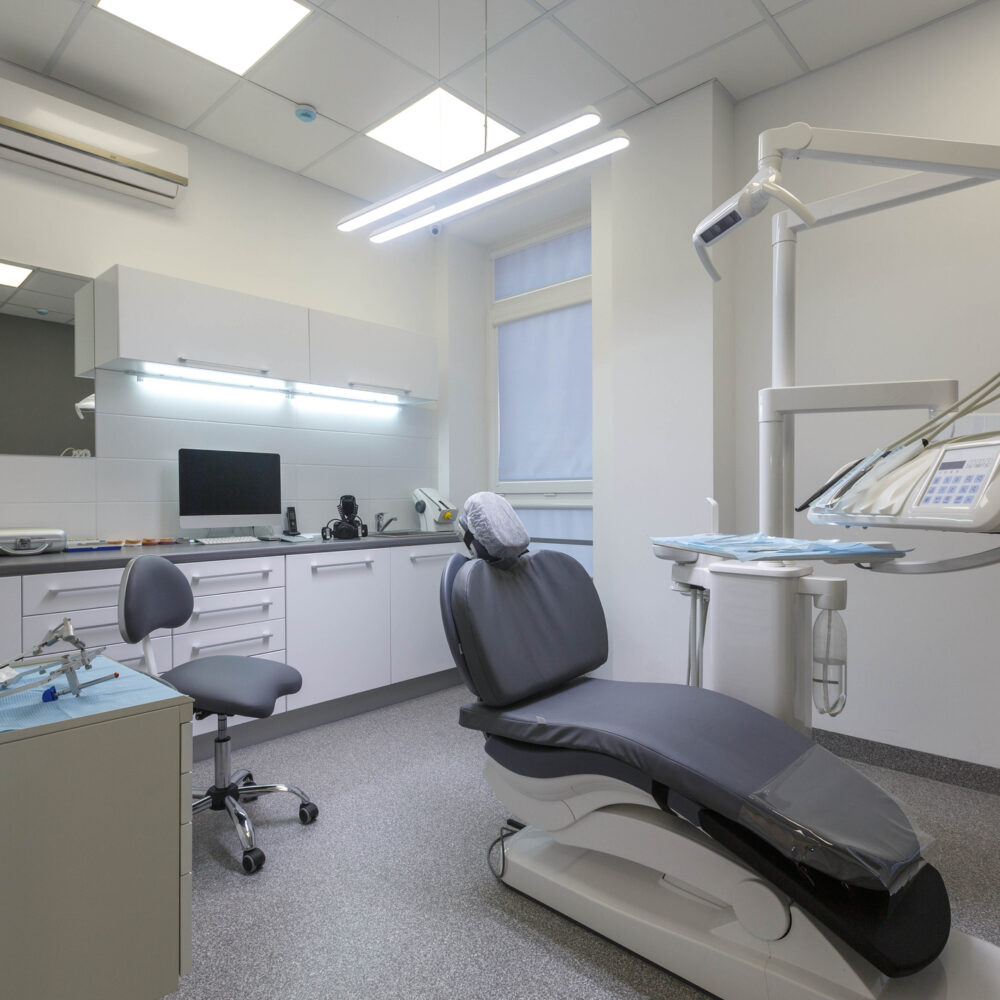
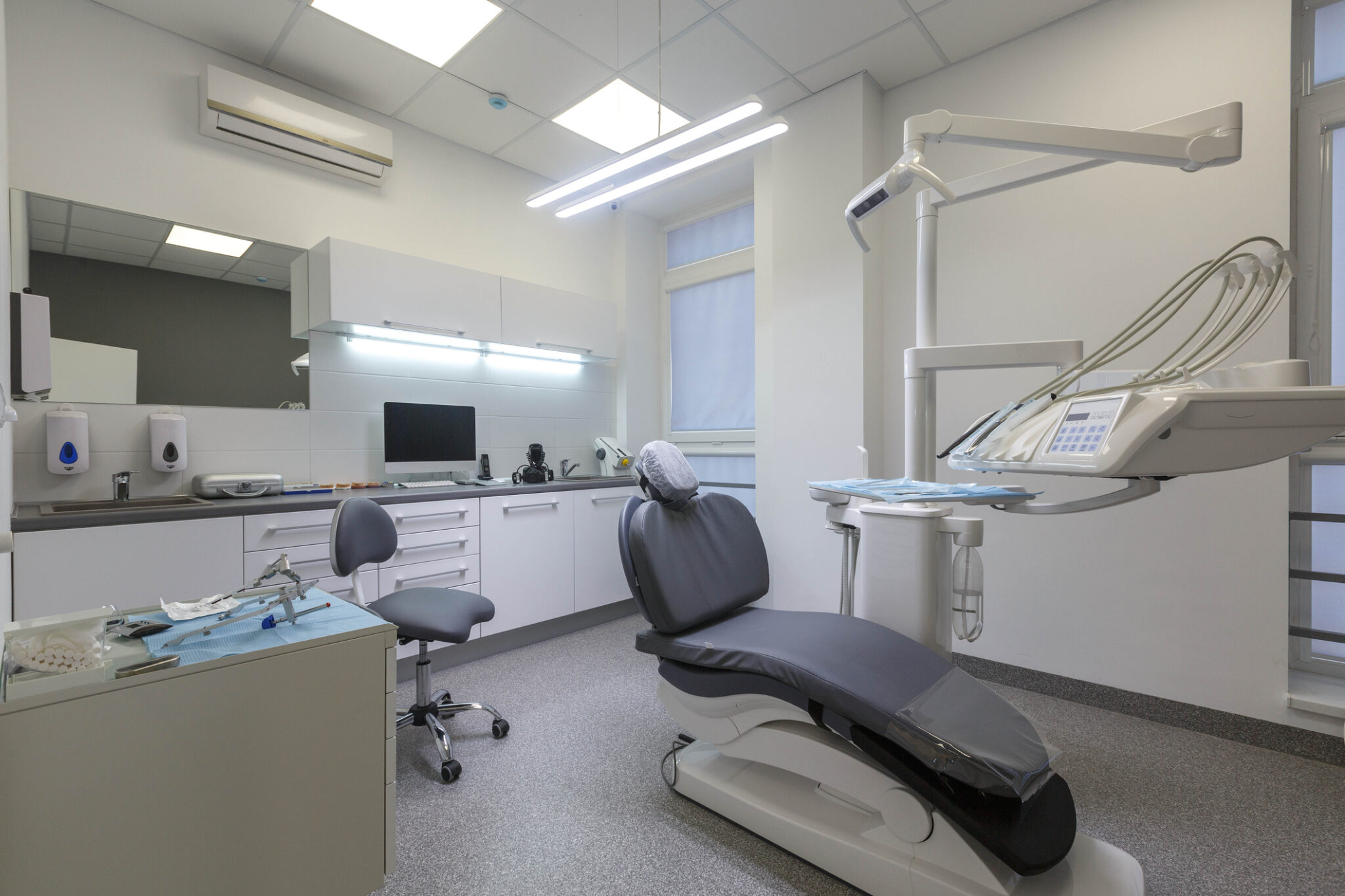
Brand new medical office. Dentist room. Stomatologist professional equipment. Hi tech medical clinic. Dentist clinic. Modern dental medical office.

Infection prevention begins well before a clinic opens its doors. The placement of rooms, handwashing facilities, storage areas and patient pathways can all affect how safely staff deliver care. Effective infection control clinic design supports everyday hygiene practices, reduces cross-contamination risks and helps practices meet their regulatory responsibilities.

How does clinic layout affect infection control?

A well-planned layout separates activities with different levels of infection risk. Staff, patients, equipment, waste and clean supplies should move through the clinic without creating unnecessary crossover points.

Key medical clinic layout infection control considerations include:

  • Separating clean utility areas from dirty utility and waste zones
  • Providing accessible handwashing facilities near clinical work areas, including soap dispensers
  • Creating clear routes for patients, staff and clinical supplies
  • Allowing sufficient space for cleaning around furniture and equipment
  • Reducing congestion in reception rooms and shared corridors
  • Providing suitable storage so supplies remain protected from contamination
  • Providing sterilisation rooms that safely sterilise instruments, preventing cross-contamination and patient infections.

The Australian Guidelines for the Prevention and Control of Infection in Healthcare apply across healthcare settings, including office-based practices. However, each clinic also needs infection control procedures tailored to its services, patients and identified risks.

Which design features make infection control easier?

Good healthcare fitout infection control measures make safe behaviour practical and consistent. For example, a hand basin placed close to the point of care is more useful than one located down a corridor. Likewise, smooth, durable finishes support effective cleaning more reliably than porous or difficult-to-access surfaces.

What should be prioritised during design?

Important features may include:

  • Appropriate mechanical ventilation and air movement
  • Impervious, easy-to-clean sheet vinyl flooring and work surfaces
  • Minimal joins, gaps and hard-to-reach edges
  • Hands-free sensor-operated fixtures where suitable
  • Dedicated storage for personal protective equipment
  • Safe areas for waste, linen and reusable equipment
  • Physical separation between clean and contaminated workflows

The Australasian Health Facility guidelines on infection prevention and control provide practical guidance for planning, constructing and refurbishing healthcare environments. These resources should be considered alongside relevant state, territory and local requirements.

How can clinics maintain infection control during refurbishment?

Clinics can remain operational during refurbishment when works are carefully staged and controlled. We specialise in completing projects in live operating environments, and planning should account for dust, noise, contractor access and the continued separation of construction zones from patients and clinical activities.

Depending on the project, controls may include sealed hoarding, temporary containment barriers, air filtration and dust extraction, managed access routes, detailed progressive cleaning schedules and completing disruptive work outside normal operating hours. Staged delivery can also keep essential consultation rooms, treatment areas and reception facilities functioning.

An experienced provider of healthcare and medical fit-outs can coordinate design, construction and infection control requirements as part of one project plan.

What approvals may be required for a medical fit-out?

Approval requirements depend on the building, location and scope of work. The first step may involve obtaining consent from the landlord, building manager, strata manager or body corporate. Town planners or private certifiers may also need to be engaged.

Relevant approvals can include:

  • Development Application (DA)
  • Construction Certificate (CC)
  • Complying Development Certificate (CDC)
  • Occupation Certificate (OC)

These processes help demonstrate that the project meets applicable National Construction Code (NCC) requirements, Australian Standards and local authority rules. Australian infection control guidelines and healthcare design considerations should be addressed early so they can inform layouts, materials, services and construction planning.

Work with DY Constructions Australia on your clinic project

DY Constructions Australia provides a complete medical fit-out and refurbishment service, from concept design and approvals through to construction and handover. Our team can manage landlord, strata, building management and council approvals while planning staged works around an operating clinic.

To discuss a compliant infection control clinic design for your build, contact DY Constructions Australia about your upcoming project.

Business As Usual: How To Renovate Your Sydney Office Without Pausing Operations

Keeping your business running while upgrading your workplace is possible with the right planning. An office renovation while working doesn’t have to mean lost productivity, constant interruptions or closing your doors. In this article, DY Constructions explains how careful planning and the right construction approach can help businesses refresh their office while continuing day-to-day operations.

Start with a staging plan

Every workplace operates differently, so the first step is creating a renovation schedule that suits your business. A staged office refurbishment divides the project into manageable sections, allowing staff to continue using unaffected areas while work progresses elsewhere.

While every project is different, a staged renovation often follows a structure similar to the example below:

Stage Example work
Stage 1 Refurbish meeting rooms or low-traffic areas while the main office remains operational. For larger projects, such as multi-floor offices, we would refurbish the space one floor at a time.
Stage 2 Move teams into the completed space while work begins on another floor or section of the office.
Stage 3 Complete shared spaces such as reception, kitchens and breakout areas before carrying out the final finishes.

This approach gives businesses greater flexibility, making it easier to coordinate moves, minimise downtime and keep essential teams operating throughout the project. We specifically tailor the staging plan to the requirements of each business we work with, making sure staging drawings reflect their particular needs.

Work around your busiest hours

Construction doesn’t always need to happen during the workday. An after-hours office renovation allows louder or more disruptive tasks to be completed at night or on weekends, helping maintain a comfortable environment for staff and visitors.

Where work needs to occur during the day, experienced builders carefully schedule quieter activities to reduce the impact on daily operations. This balance supports an office renovation during business hours without bringing work to a standstill.

Managing noise, dust and safety

One of the biggest concerns during an occupied office refurbishment Sydney project is keeping the workplace clean, safe and functional.

Experienced commercial builders use temporary containment barriers, zipwall dust barrier systems, clear access paths and careful site management to separate construction zones from occupied workspaces. Regular communication also keeps everyone informed about upcoming activities so there are no unexpected disruptions.

With the right systems in place, businesses can achieve an office refurbishment without disruption while maintaining a professional environment for employees and clients.

Choose a team experienced in live environments

Not every commercial builder specialises in working around occupied offices. A live environment refurbishment requires careful coordination, flexible scheduling and an understanding of how each specific business operates.

DY Constructions delivers every operational office refurbishment with detailed planning, clear communication and practical construction management. Whether you’re updating a single department or completing a full workplace transformation, the focus remains on keeping your business operating throughout the project.

Plan your next office renovation with DY Constructions

A well-managed office renovation doesn’t have to interrupt your business. With the right strategy, experienced project management and a clear construction schedule, your team can continue working while your workplace evolves.

If you’re planning an office refurbishment or interior upgrade, contact DY Constructions to discuss a renovation plan that keeps your business moving. You can also explore our office maintenance and repair services for ongoing workplace support.

The Challenges Of Healthcare Fitouts: Common Pitfalls & How to Avoid Them

Challenges in healthcare fitouts

Healthcare environments demand far more than standard commercial design. Medical fitouts are specialised projects that require in-depth knowledge and expertise, shaped by strict compliance requirements and patient safety considerations. Unlike typical office spaces, medical facilities must balance clinical functionality, infection control and patient comfort, all while accommodating the ongoing needs of both staff and individuals receiving care.

Understanding these medical fit out challenges early is critical. Without proper planning, even small oversights can lead to costly delays, compliance issues or inefficient workflows. In this article, we’ll explore the most common healthcare fitout pitfalls and how to avoid them to ensure a smooth, successful project.

What are the biggest challenges in healthcare fit outs?

The biggest challenges in healthcare fitouts include strict regulatory compliance, complex building service integration and designing spaces that support both patient comfort and clinical efficiency. These medical fit out challenges require careful coordination from planning through to construction:

  • Compliance with healthcare regulations — Adhering to infection control standards, accessibility requirements and healthcare-specific guidelines
  • Integration of essential building services — Coordinating medical gases, HVAC and plumbing systems, electrical and data infrastructure
  • Balancing patient experience with functionality — Creating a welcoming environment without compromising clinical performance
  • Working within live operational environments — Completing work in a live medical clinic or practice while minimising disruption to staff and patients

What are the most common healthcare fitout pitfalls?

Some of the most frequent healthcare fitout common issues include:

  • Inadequate space planning — Poor layouts that restrict movement or reduce efficiency
  • Ignoring infection control design — Failing to separate clean and contaminated zones
  • Poor acoustic and privacy considerations — Leading to confidentiality concerns in consultation rooms
  • Choosing incorrect materials — Using finishes that are difficult to clean or not compliant with healthcare standards
  • Failing to account for accessibility requirements — Overlooking compliant access for patients, staff and mobility aids

Example: A medical clinic that fails to properly separate clean and contaminated zones may face compliance issues, increased infection risks and ongoing operational inefficiencies.

Why is compliance such a major issue in medical fit outs?

Compliance is critical because healthcare facilities must meet strict standards to ensure patient safety, infection control and legal operation.

In Australia, healthcare projects must align with guidelines such as the Australian Health Facility Guidelines (AusHFG) as well as the National Construction Code (NCC), Australian Standards (AS), and authority requirements. These regulations influence every aspect of the fitout. Key compliance considerations include:

  • Sterile environments — Proper zoning and materials to minimise infection risks
  • Disability/Accessibility access — Meeting accessibility standards for patients and staff
  • Fire and safety compliance — Ensuring emergency systems and paths of travel meet regulations
  • Mechanical ventilation — Providing appropriate airflow, filtration and pressure control to support infection control and indoor air quality

Failure to comply can result in:

  • Project delays due to rejected approvals
  • Cost blowouts from rework or redesign
  • Legal risks

How can you avoid mistakes in healthcare fit outs?

Avoiding mistakes in healthcare fitouts requires early planning, expert guidance and a clear understanding of both compliance requirements and day-to-day operational needs. To avoid potential fitout problems in medical practices, we recommend:

  • Engaging experienced health care fitout specialists — Professionals who understand regulations and clinical workflows
  • Conducting detailed planning and feasibility studies — Identify potential issues before construction begins
  • Involving key stakeholders — Consult with doctors, staff and management to align the design with real-world use
  • Using compliant, durable and hygienic materials — Ensure longevity and ease of maintenance
  • Planning for future growth and flexibility — Design spaces that can adapt as your medical practice evolves

What should you plan before starting a healthcare fit out?

Before starting, you should define the following:

  • Scope of services (GP, dental, medical centre, specialist, etc.)
  • Site selection considerations (accessibility, parking availability, ease of access for patients and staff, etc.)
  • Grade of finish required (i.e., level of detail, durability, aesthetic, etc.)
  • Budget and cost expectations
  • Required landlord/Building Management approvals and certifications
  • Timeline and staging (especially for live environments)

Partner with experts in health care fitouts

Health care fitouts are complex, but with the right planning and expertise, they can be delivered efficiently and successfully. By addressing common pitfalls and avoiding fitout problems in medical practices early on, you can create a compliant, functional and patient-focused space.

Partnering with experienced professionals ensures your fitout meets all requirements while supporting long-term performance. DY Constructions is a design and fitout specialist with an in-house design team, providing a fully integrated approach from concept through to completion. Work with our team today to create a space that’s practical, compliant and built for long-term use — contact us to get started.

How A Professional Office Fitout Can Boost Your Business Performance

Cost of an office fitout

A well-designed workplace plays a direct role in how a business operates each day. The right environment can streamline work, support collaboration, improve staff comfort and leave a lasting impression on clients. In this blog, we explore how a commercial office fitout can improve workflow, enhance brand image and support employee wellbeing while outlining the typical costs involved.

How a fitout supports better workflow and efficiency

A professional office fitout starts with understanding how people use the space each day. A well-planned layout supports people’s needs by creating clear zones that reduce bottlenecks and improve the flow of work.

Common ways a fitout improves efficiency include:

  • Clear workspace zoning that separates quiet areas from collaborative spaces
  • Logical placement of meeting rooms, breakout areas and shared facilities
  • Storage solutions that keep workstations clear and organised
  • Technology integration that streamlines communication and workflows

Research also shows that people value comfort, privacy and control over their environment, which is why a well-planned workspace can have a meaningful effect on daily performance. This foundation sets the stage for a workspace that functions well and strengthens how people experience and interact with your brand each day.

How workplace design supports employee morale and retention

Employee wellbeing has become a critical priority for organisations across Australia. When employees enjoy their work environment, morale improves and businesses often experience stronger engagement and reduced turnover.

A professional commercial office fit out can improve experience and satisfaction through:

  • Access to natural light and balanced artificial lighting
  • Comfortable and ergonomic workstations
  • Acoustic solutions that reduce noise and distraction
  • Breakout areas for rest, collaboration and informal teamwork
  • Ventilation and air quality that support a healthier indoor environment

Together, these improvements create a stronger foundation for the tools and systems that support modern ways of working.

How a modern workspace enhances brand image

Your office is often the first physical impression clients, partners and job candidates have of your business. When the workspace reflects your values and identity, it reinforces trust and confidence in your organisation.

A strong brand presence in your physical environment may include:

  • Colour palettes that reflect your brand identity
  • Reception and client areas designed to make a positive first impression
  • Consistent finishes and materials throughout the space
  • Thoughtful lighting, signage and layout choices that support a cohesive visual style

An office fit out that is designed to align with a company’s brand identity also influences how employees feel in the environment, shaping their everyday morale and engagement.

How fitout technology integration strengthens performance

Modern offices rely on seamless technology to support hybrid working, digital communication and team coordination. A professional fitout helps integrate these systems into the design of the workplace so they work reliably and remain convenient to use.

Well-integrated technology may include:

  • Video-enabled meeting rooms, boardrooms and conference rooms
  • Smart booking systems for shared rooms or desks
  • Upgraded network cabling for high-speed connectivity
  • Automated lighting systems
  • Secure network infrastructure, including wireless internet
  • Audiovisual setups for presentations and remote collaboration

When technology is integrated into the design rather than added later, it supports smoother communication and reduces interruptions caused by equipment issues or outdated systems.

The cost of a professional office fit out in Sydney

Commercial office fitouts are one of the most frequently replaced components in commercial buildings, which is why thoughtful planning and better design choices can improve long-term efficiency and sustainability.

The cost of an office fitout may vary depending on the size of the tenancy, the condition of the existing space and the quality of materials and finishes selected. While every project requires its own assessment, the following examples provide a general fit out cost guide for Sydney office environments:

  • Basic fitouts — Approximately AUD $500 to $800 per square metre (m2). This estimated office fitout cost in Sydney may include functional layouts with standard finishes, simple joinery and modest lighting upgrades.
  • Mid-spec fitouts — Typically AUD $900 to $1,400 per square metre (m2), offering improved materials, upgraded lighting, integrated technology and moderate customisation.
  • Premium fitouts — AUD $1,500 and above per square metre (m2), featuring high-end finishes, bespoke joinery, feature lighting, advanced acoustic treatment and enhanced technology integration.

These figures are indicative only and can vary based on building condition, existing services, design complexity and the level of customisation required. A detailed assessment from experts in Sydney office fitouts is necessary to establish accurate costing.

Why investing in a professional fitout supports business success

A well-designed workplace can contribute to long-term performance by improving efficiency, supporting staff wellbeing and strengthening your brand presence.

Some of the broader advantages of a professional fit out include:

  • Creating a workplace that supports hybrid and flexible work
  • Improving recruitment and retention by offering a comfortable environment
  • Using space efficiently to reduce long-term property costs
  • Enhancing client-facing areas for stronger brand impact
  • Preparing the office for future technology and workplace changes

A thoughtful fitout allows businesses to adapt to growth and shifting demands while maintaining a high-performing environment for their teams.

Plan your next fitout with DY Constructions Australia

A commercial office fit out is an important investment in the long-term performance of your business. DY Constructions Australia designs and delivers modern, efficient and high-quality office environments that align with your goals and budget. Contact our team to outline your project needs and start planning your next workplace with confidence.

How Much Does A Medical Fitout Cost Compared To An Office Fitout?

Medical fitout cost

Every fitout is an investment in how a space looks, feels and functions. But when it comes to understanding the cost of a medical fitout compared to typical office fitout costs, there are unique factors that set the two apart. Medical and healthcare spaces come with their own set of considerations that go well beyond design, influencing both budget and project scope.

This guide outlines typical cost ranges, explains why medical projects often sit at the higher end and shares practical ways to manage budgets while meeting Australian Standards (AS).

What typical cost ranges apply to medical fitouts

The cost of a medical fitout depends on how complex the space needs to be, whether the project is a cold shell or a warm shell and the level of finishes required. The sections below explain how medical and healthcare fitout costs are usually assessed:

Cost per square metre for clinics and healthcare spaces

When estimating medical fitout costs, cost per square metre provides a useful starting point but should never replace a tailored assessment. For general medical or allied health clinics, costs often range between $1,000 and $3,500 per square metre, depending on the site condition, service requirements and design scope.

Example total costs by size and medical type

The total cost of a medical fitout depends on size and complexity. As a broad guide, consider the examples below:

  • Small clinics (below 100 m²) — Typically range from $100,000 to $350,000, covering consulting rooms, a reception area and basic treatment spaces.
  • Mid-sized practices (150 m² to 300 m²) — Usually sit between $350,000 to $750,000, accommodating multiple consulting rooms, treatment areas and staff amenities.
  • Day surgery and large facilities (300 m² and above) — Often exceed $800,000, especially for day surgery environments and large medical fitouts that require high-spec infrastructure and operating theatres, specialist equipment and strict compliance controls.

These figures are indicative only and can vary based on building condition, existing services, service upgrades and finishes.

What typical cost ranges apply to office fitouts

Office fitout costs are more flexible because they are driven by design choices rather than regulatory compliance. The sections below outline common cost brackets and the key factors that drive these variations:

Basic vs mid-spec vs premium office fitout costs

Although rates vary by building type, location and condition, most Australian office projects fall within the following indicative ranges:

  • Basic fitouts — Around $500 to $1,500 per square metre, providing functional layouts with standard finishes and minimal joinery or lighting upgrades.
  • Mid-spec fitouts — Typically $1,600 to $2,500 per square metre, offering improved materials, integrated technology and moderate custom joinery for a more polished look.
  • Premium fitouts — From $2,600 per square metre and above, delivering bespoke design with high-end finishes, premium flooring, high-end custom joinery, audio visual works, supplementary air conditioning, feature lighting and advanced acoustic treatment.

These figures are indicative only and will vary depending on design intent, tenancy condition and service upgrades required.

Factors that drive variation

The following factors have the greatest impact on office fitout costs:

  • Furnishings — The quality and quantity of workstations, seating and storage directly affect cost and usability.
  • Technology — Integrated AV systems, video conferencing, lighting controls and data networks increase installation and design complexity.
  • Design detail — Custom joinery, partitions and feature finishes raise labour time and material use.
  • Service upgrades — Additions such as supplementary air conditioning, fire protection, and electrical upgrades can increase costs due to additional installation and compliance requirements.

While office spaces offer flexibility in design and specification, medical environments demand far stricter standards, and those standards are what drive higher costs overall.

Why medical fitouts often cost more than office fitouts

Specific factors contribute to higher costs for medical fitouts, from compliance standards to infrastructure and essential services demands:

Compliance, regulations and specialised standards

A major factor behind higher healthcare fitout costs is the strict compliance framework. Every healthcare facility must meet Australian Standards (AS), the National Construction Code (NCC) and health authority requirements for air quality, ventilation, water safety, fire systems and accessibility. Compliance adds time and cost, but it is essential for patient safety and long-term operational approval.

Infrastructure and essential services demands

Unlike office environments, medical spaces rely on specialised systems that maintain hygiene, safety and clinical performance. Typical inclusions are:

  • Plumbing — Multiple handwashing stations, medical basins and controlled waste systems across treatment and sterilisation room areas.
  • Medical gases and suction/vacuum — Dedicated lines for oxygen, nitrous oxide and suction, plus storage and safety valves that meet healthcare standards.
  • HVAC systems — High-capacity air conditioning and ventilation with HEPA filtration and zoning to support sterile and negative-pressure areas.
  • Electrical and power — Body-protected power used in medical facilities to protect patients from electric shock.

Each element adds to design coordination and installation complexity, directly influencing medical fitout costs and project timelines.

How to manage fitout cost surprises and ensure compliance

Controlling healthcare fitout costs starts with early planning, medical interior design and open communication between all project stakeholders. Identifying compliance needs from the outset prevents design changes later and helps avoid costly rework. Additionally, allowing for a small contingency for unexpected issues, especially in existing buildings, provides flexibility and protects project timelines.

DY Constructions applies these principles across every project. Our team collaborates with you from the outset to create smart, cost-conscious solutions that meet Australian Standards (AS) and make the most of your budget and resources, all while bringing your vision to life with quality craftsmanship and attention to detail.

Plan your next fitout with DY Constructions Australia

Whether you’re budgeting for a medical fitout or a corporate space, the right commercial fitout partner makes all the difference. DY Constructions Australia delivers compliant, high-quality fitouts tailored to your needs and budget. Contact our team today to outline your project goals and start planning with clarity.